
Health
‘Bravest person I know’: School shooting victim leaves hospital after 262 days
By Maya Chen
Advertisement · Why this ad?
Evan is a graduate of Northern Kentucky University, where he studied Journalism and Community Engagement. He has reported on local events and issues for the past three years through various platforms, focusing on grassroots initiatives that uplift the community.
More from Evan →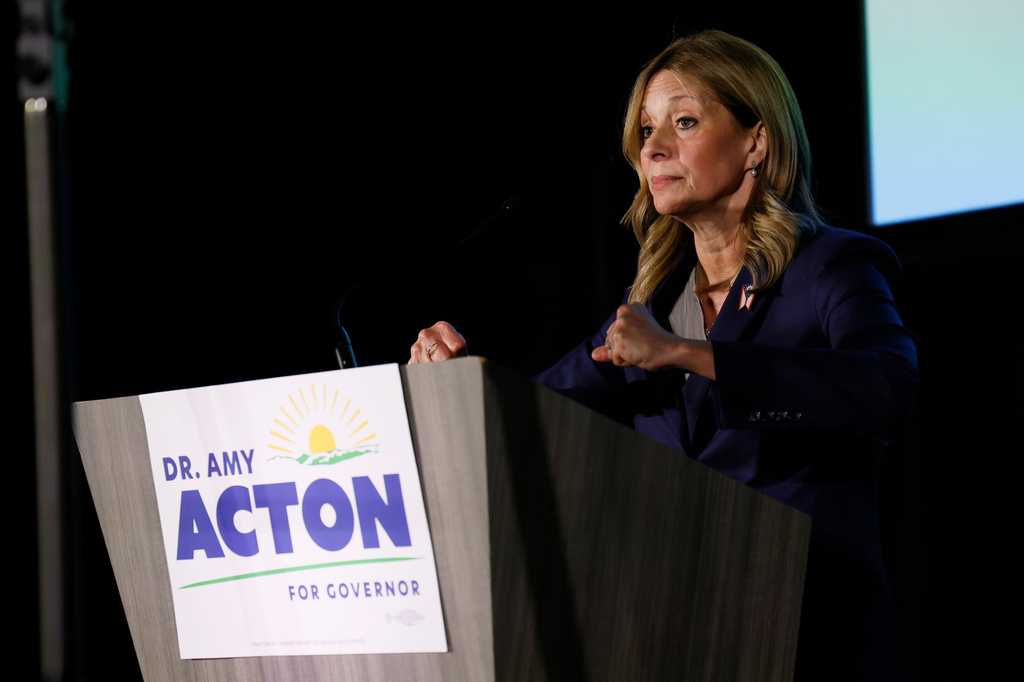
As the sun sets over Cincinnati, the air buzzes with anticipation. Residents are gearing up to cast their votes in an election that could shape the future of Ohio. Among the candidates, one stands out not just for her political experience but for her compassionate approach to health and wellness: former Ohio health director Amy Acton. With her background in medicine and public health, Acton has become a beacon of hope for many Ohioans navigating the complexities of healthcare. Yet, as the election draws near, a controversial ad has surfaced, questioning her medical knowledge and experience, igniting a firestorm of debate.
In the upcoming Ohio gubernatorial election, Amy Acton is facing off against businessman Vivek Ramaswamy. Acton, who served as the state's health director during the COVID-19 pandemic, is known for her hands-on approach and dedication to public health. However, a recent advertisement has emerged, challenging her qualifications and expertise in the medical field. The ad claims that Acton lacks the necessary experience to lead Ohio effectively, raising questions about her past decisions and their impact on public health.
The ad has sparked significant controversy, particularly among Acton's supporters who view it as a politically motivated attack. They argue that her tenure as health director was marked by decisive action and a commitment to protecting Ohioans during a health crisis. As the election approaches, the tension between the candidates intensifies, with both sides preparing for a fierce battle at the polls.
The Cincinnati community has been vocal about the claims made in the ad. Many residents express their support for Acton, highlighting her role in managing the state's response to the pandemic. “She was there when we needed her most,” said local nurse Sarah Thompson. “Her leadership saved lives and gave us hope during a dark time.” This sentiment is echoed by numerous constituents who believe that Acton’s medical background uniquely qualifies her to address the health challenges facing Ohio today.
Conversely, some skeptics question her decisions made during the pandemic, suggesting that her approach may have been overly cautious. Business owners, in particular, have expressed frustration over restrictions that they believe negatively impacted their livelihoods. “We need a leader who understands the business side of things, not just the health side,” said local entrepreneur Mike Johnson. This division within the community reflects the broader national debate over health policy and governance.
Support for Acton extends beyond healthcare professionals. Many community leaders and organizations have rallied behind her campaign, emphasizing the importance of having a governor who understands the intricacies of public health. Local organizations, such as the Cincinnati Health Network, have praised Acton’s commitment to health equity and access to care. “Amy has always prioritized the most vulnerable in our community, and that’s what we need in a leader,” said network director Emily Carter. This support highlights a broader consensus among healthcare advocates who believe that Acton can bring meaningful change to Ohio's healthcare landscape.
As the election unfolds, the significance of medical expertise in leadership roles cannot be understated. Acton’s background as a physician and public health advocate positions her uniquely to tackle complex health issues. Her supporters argue that her experience is crucial in a state that has faced numerous health challenges, from opioid addiction to the ongoing effects of the pandemic.
In contrast, Ramaswamy, a businessman with no formal background in healthcare, emphasizes a more free-market approach to health policy. His campaign focuses on reducing regulations and fostering economic growth, which resonates with voters seeking change. However, the question remains: can a business-oriented perspective adequately address the intricate realities of public health?
Ohio has faced significant public health challenges in recent years, including rising rates of addiction and mental health issues exacerbated by the pandemic. Acton’s experience as a public health leader is seen as vital in addressing these ongoing crises. Her initiatives during her tenure, such as expanding access to mental health resources and promoting vaccination efforts, have garnered praise from public health experts. “In times of crisis, we need leaders who can navigate the complexities of health policy while considering the well-being of all Ohioans,” said Dr. Robert Lee, a public health researcher at Ohio State University.
The outcome of this election will have profound implications for families and communities across Ohio. With healthcare being a top concern for many voters, the candidates’ positions on issues such as access to care, mental health resources, and pandemic preparedness will be critical in shaping the future of the state. Acton’s supporters believe that her experience will lead to policies that prioritize health and well-being, while Ramaswamy’s approach may appeal to those seeking economic revitalization.
Families are particularly invested in this election, as they seek leaders who will prioritize their health and safety. “We want someone who understands the importance of family health,” said local mother Lisa Martinez. “Amy Acton has shown that she cares about our well-being.” This deep connection between health policy and family stability underscores the importance of informed voting in this election.
Local initiatives aimed at improving health outcomes have gained traction in Cincinnati, reflecting the community's desire for effective health leadership. Programs focused on nutrition, mental health, and preventive care have been championed by grassroots organizations. Acton’s supporters argue that her focus on public health will bolster these initiatives, ensuring that families have access to the resources they need. “Investing in community health is investing in our future,” said community organizer Rachel Green.
As Ohioans prepare to head to the polls, it is essential for voters to equip themselves with accurate information about the candidates and their platforms. Numerous resources are available to help residents make informed decisions. The Ohio Secretary of State’s website provides comprehensive information on voting locations, registration, and candidate details. Additionally, local organizations such as the Cincinnati Chamber of Commerce offer insights into the candidates' positions on business and economic issues.
Furthermore, community forums and debates present opportunities for voters to engage directly with the candidates. These events allow residents to ask questions and voice their concerns, fostering a more informed electorate. Engaging in discussions about health policy and its impact on families is crucial as voters consider their choices this election season.
As the election day approaches, the stakes are high for both candidates. For Acton, the challenge lies in countering the negative narrative surrounding her medical expertise while reinforcing her commitment to public health. Ramaswamy, on the other hand, must solidify his support among those who prioritize economic growth over health regulations.
With early voting already underway, every vote counts in this critical election. Residents are encouraged to participate actively in the democratic process, ensuring that their voices are heard. The outcome will not only determine Ohio's leadership but also set the tone for future health policies that will impact families and communities for years to come.
By Maya Chen

By Evan Fields

By Mark Johnson

By Laura Kim