Hoarding in Ohio: How homeowners can face legal action
Sofia Patel, a Columbus native and graduate of Kenyon College, has spent 5 years delving into community issues and human-interest stories. She has contributed to various neighborhood publications and is passionate about shedding light on the diverse voices within her city.
More from Sofia →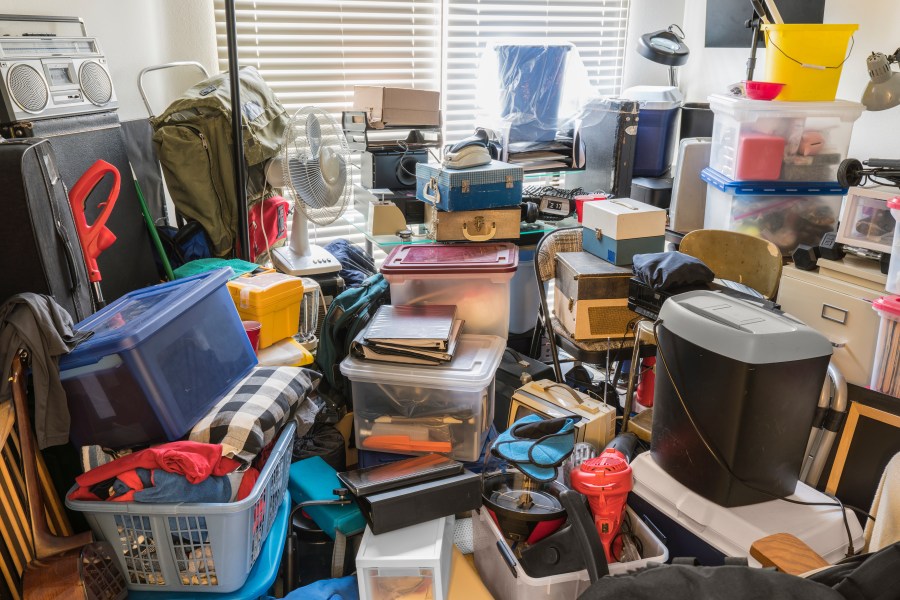
In this story
On a quiet street in Columbus, a once-vibrant home has become a shadow of its former self, buried beneath mountains of clutter and debris. For neighbors, the sight is disheartening, but for the homeowner, it’s a daily struggle that often feels insurmountable. This scenario, while distressing, is not uncommon in Ohio, where the issue of hoarding can lead to serious legal repercussions for homeowners.
Understanding Hoarding and Its Legal Implications
In Ohio, hoarding is not classified as a crime in itself. However, the consequences of excessive clutter can be severe. Homeowners may find themselves facing legal action if their property is deemed a public health nuisance or poses structural dangers. Local authorities can step in when clutter becomes a fire hazard or creates an unsafe environment for neighbors.
The legal framework surrounding hoarding often revolves around zoning laws and public health regulations. For instance, if a property is reported to have excessive waste or poses a risk to the community, city officials may initiate inspections. If violations are found, homeowners could face fines, mandated clean-up orders, or even property condemnation. This can be an overwhelming experience for individuals struggling with hoarding, as it not only threatens their living situation but also their sense of stability.
According to the Ohio Department of Health, clutter can lead to significant health risks, including increased fire hazards and pest infestations. When these risks are identified, local health departments may issue warnings or citations, prompting homeowners to take immediate action to rectify the situation.
Community Perspectives on Hoarding
Hoarding affects not just the individual but the entire community. Neighbors often feel helpless as they watch a home deteriorate, worrying about the potential dangers that may arise. “It’s heartbreaking to see a family struggle like this,” shared one neighbor, who has lived next door to a hoarding situation for years. “You want to help, but you don’t know how without overstepping boundaries.”
Community members often express a mix of concern and frustration. Many would like to see more resources available for individuals grappling with hoarding behaviors. Local support groups and mental health services can play a crucial role in providing assistance and understanding for those affected. Organizations like the National Alliance on Mental Illness (NAMI) offer programs that educate families and individuals about hoarding disorder, emphasizing the importance of compassion and support.
The Role of Local Governments
Local governments are increasingly recognizing the need to address hoarding issues proactively. Some cities have implemented programs designed to help residents before legal action becomes necessary. For example, Columbus has seen initiatives aimed at educating homeowners about the risks associated with hoarding and providing resources for cleanup and mental health support.
These programs often involve collaboration with social services, mental health professionals, and community organizations. By fostering a supportive environment, local governments hope to reduce the stigma surrounding hoarding and encourage individuals to seek help before facing legal consequences.
Real Stories from the Community
To truly understand the impact of hoarding, it is essential to hear from those who have lived through it. One resident, Jane Doe, shared her experience of growing up in a home affected by hoarding. “I remember feeling embarrassed to have friends over. The clutter made it hard to navigate our home, and it was a constant source of stress for my parents,” she recalls. Jane’s story highlights the emotional toll that hoarding can take on families, often leading to feelings of isolation and shame.
Another resident, John Smith, who has worked as a social worker in Columbus for over a decade, emphasizes the importance of community intervention. “We often see families in crisis, and it’s heartbreaking. Many don’t know where to turn for help, and that’s why community resources are so vital. We need to create a network of support,” he explains.
Resources for Homeowners Facing Hoarding Challenges
For homeowners struggling with hoarding, it’s essential to know that help is available. Various organizations and resources can assist in addressing both the physical and emotional aspects of hoarding. The MentalHealth.gov website provides valuable information on finding local mental health services and support groups.
Additionally, the Ohio Department of Health offers guidelines on how to maintain a safe and healthy living environment. Their resources can help homeowners understand the risks associated with clutter and the steps they can take to mitigate those risks.
Support groups such as CHADD (Children and Adults with Attention-Deficit/Hyperactivity Disorder) can also provide assistance, particularly for individuals whose hoarding behaviors may be linked to ADHD or other mental health conditions. Connecting with others who understand the struggles can be a powerful step toward recovery.
Local Initiatives and Support Programs
In response to the growing concern over hoarding, several local initiatives have emerged in Columbus. Community organizations are hosting workshops aimed at educating residents about hoarding disorder and its effects. These workshops provide a safe space for individuals to share their experiences and learn coping strategies. One such initiative, the Columbus Hoarding Task Force, has been instrumental in creating awareness and providing resources to those affected.
Additionally, local churches and nonprofits have started outreach programs that focus on mental health support. These programs often include counseling services, peer support groups, and educational resources aimed at destigmatizing hoarding behaviors. By engaging with the community, these organizations hope to foster a sense of belonging and understanding.
Moving Forward: The Importance of Community Support
As Columbus continues to grow and evolve, addressing issues like hoarding will require a concerted effort from both residents and local authorities. Building a culture of understanding and support is essential in helping those affected by hoarding behaviors. Community members can play a vital role by reaching out to their neighbors and encouraging them to seek help.
Moreover, fostering open conversations about mental health can help reduce stigma and promote awareness. By normalizing discussions around hoarding and its impact, communities can create an environment where individuals feel safe seeking assistance.
Looking Ahead
The future of addressing hoarding in Ohio lies in collaboration and compassion. Local governments, mental health organizations, and community members must work together to provide resources and support for those in need. By doing so, we can help individuals reclaim their homes and lives, ensuring that no one has to face the challenges of hoarding alone.
As we look ahead, it is crucial to remember that behind every hoarding situation is a person or family facing struggles that are often invisible to the outside world. By fostering a supportive community, we can help bridge the gap between those in need and the resources available to them, ultimately creating a safer and healthier Columbus for all.