
Sports
Tracking election results in Ohio: How to watch our live streaming coverage with reaction, speeches and more throughout the night
By Rodney Ellis
Advertisement · Why this ad?
Sophie is a graduate of Miami University of Ohio and has spent over four years covering local government issues for various civic and political blogs. Her background in public policy gives her unique insights into legislative matters affecting Cleveland.
More from Sophie →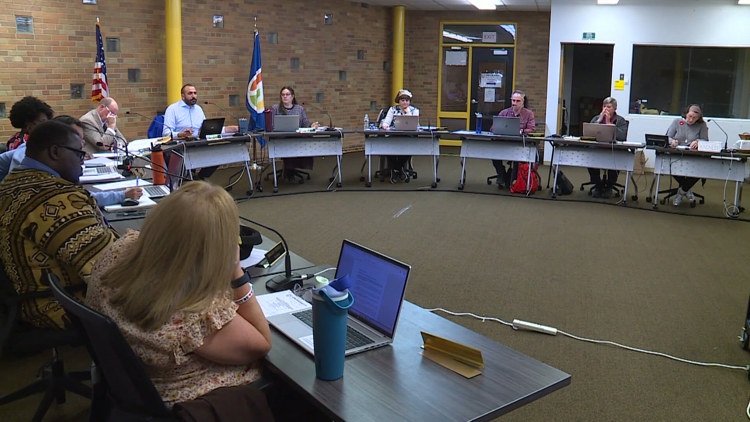
As the sun dipped below the horizon, casting a warm glow over University Heights, the city council chamber buzzed with anticipation. Residents filled the seats, some clutching signs advocating for change, while others sat quietly, their expressions a mix of hope and concern. On Monday night, the University Heights City Council faced a pivotal decision that would impact the community's approach to housing equity. After weeks of public debate, they ultimately voted down a proposed amendment to the city’s fair housing ordinance, a move that preserved protections for Section 8 housing vouchers.
The council meeting, held on October 16, 2023, drew a crowd eager to express their views on the proposed amendment. The amendment aimed to modify existing fair housing protections, which many believed would have undermined the rights of low-income families relying on Section 8 vouchers. In a 4-3 vote, the council members decided to reject the amendment, a decision that came after hours of passionate public testimony.
Supporters of the amendment argued that it would encourage economic growth and attract new residents to the city by streamlining housing regulations. They believed that eliminating certain protections could make it easier for landlords to rent their properties without the complexities associated with Section 8 vouchers. However, opponents raised concerns that such changes would disproportionately affect vulnerable populations, particularly families struggling to secure affordable housing.
The discussion surrounding the fair housing amendment is part of a broader national conversation about housing equity and the rights of tenants. Across the United States, cities are grappling with the balance between economic development and social responsibility. In University Heights, where the population is diverse and includes a significant number of families relying on public assistance, the stakes are particularly high.
Many residents expressed fear that the amendment would lead to increased discrimination against low-income families, further exacerbating the housing crisis. The city's fair housing ordinance has been a cornerstone of its commitment to ensuring that all residents have access to safe and affordable housing. The decision to uphold these protections reflects a community that values inclusivity and the well-being of its most vulnerable members.
Community members took to the podium during the council meeting, sharing personal stories that underscored the importance of Section 8 protections. One resident, Maria Gonzalez, tearfully recounted her struggles as a single mother trying to find stable housing for her children. "Without the support of the Section 8 program, I don’t know where we would be. It’s critical for families like mine to have these protections in place," she said.
Another resident, John Thompson, a local landlord, expressed his support for the amendment, arguing that it would help property owners maintain their investments. "As a landlord, I want to provide quality housing, but the current regulations make it difficult to do so. We need to find a balance that works for everyone," he stated.
The divide in opinions illustrates the complex nature of housing policies and their far-reaching implications for the community. While some residents seek to protect vulnerable families, others advocate for a more business-friendly approach that they believe will benefit the city economically.
The decision to reject the amendment is significant for University Heights families, particularly those who rely on Section 8 vouchers to secure housing. This program, administered by the U.S. Department of Housing and Urban Development, provides financial assistance to low-income families, enabling them to afford homes in areas with better opportunities. By preserving protections, the city council has reaffirmed its commitment to fostering a community where families can thrive.
Housing stability is crucial for the well-being of children and families. Studies have shown that stable housing is linked to better educational outcomes, improved health, and greater economic mobility. By ensuring that families have access to affordable housing options, University Heights is taking a step toward building a stronger, more resilient community.
To fully understand the implications of the council's decision, it's essential to consider the broader housing landscape in University Heights. The city has a rich history of diversity, with a population that includes individuals from various socioeconomic backgrounds. This diversity enriches the community but also presents challenges, particularly when it comes to housing accessibility.
According to local housing advocates, the demand for affordable housing has been steadily increasing, with many families struggling to find suitable options. The rejection of the amendment is seen as a victory for those advocating for fair housing policies, but it also highlights the ongoing need for comprehensive solutions that address the root causes of housing instability.
Local organizations, such as the Cleveland Housing Network, are actively working to provide resources and support for families in need. Their efforts include educational programs for tenants and landlords, assistance with navigating housing applications, and advocacy for policies that protect low-income families. The city council's decision may bolster these initiatives, giving advocates more leverage in their fight for equitable housing solutions.
As University Heights moves forward, the city council will need to consider how to balance the needs of residents with the realities of economic development. The recent vote may have quelled immediate concerns about housing protections, but the underlying issues remain. The council is expected to explore additional measures to support affordable housing initiatives and address the growing demand for accessible housing options.
In the coming months, community members may see increased discussions around housing policies, as well as potential collaborations with local organizations focused on housing equity. The city has a unique opportunity to lead by example, creating an environment where families can thrive while also attracting new residents and businesses.
As the conversation continues, residents are encouraged to stay engaged and participate in future council meetings. Civic engagement is vital in shaping the policies that affect our lives, and the recent vote serves as a reminder of the power of community voices.
In conclusion, the rejection of the fair housing amendment in University Heights is more than just a local policy decision; it reflects a commitment to protecting vulnerable families and fostering a community built on strong values. By prioritizing housing equity, University Heights is taking steps toward ensuring that the American dream of stable, loving households remains within reach for all its residents.
By Rodney Ellis
By Tom Langston

By Michelle Rivera

By Michelle Rivera